-
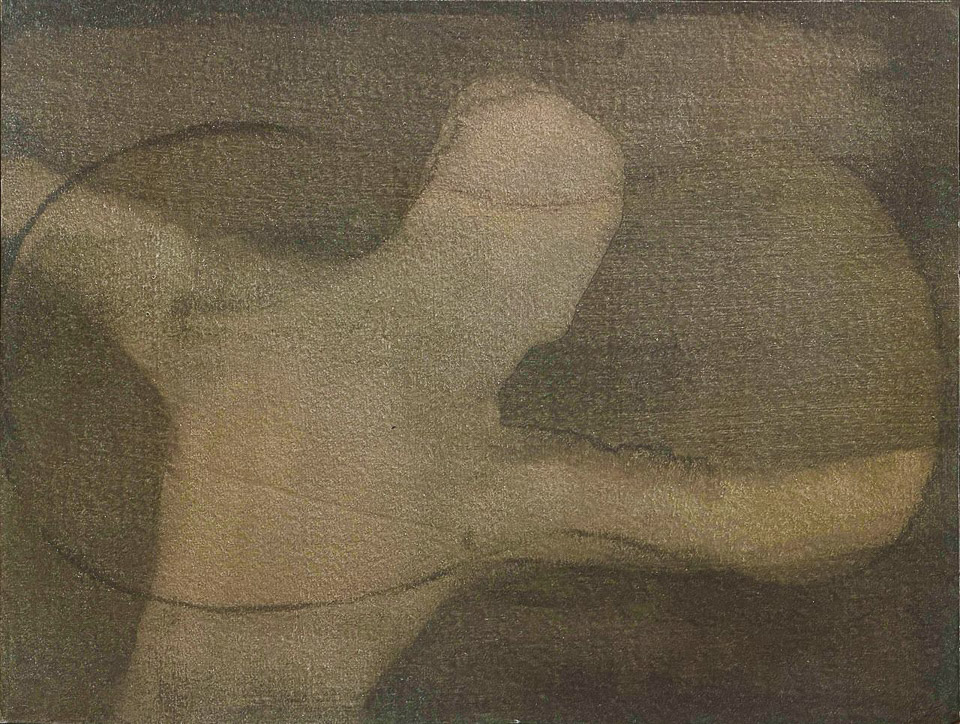
Held in the hand
I went to Kiyomi Talaulicar’s studio a few months ago for the paintings I thought I knew. I left thinking about the small ones. They were set to one side, unframed, stacked the way you stack things you mean to return to. A few inches square, some the size of a postcard, a couple small enough to cover with one hand. I picked them up one at a time, and the room went quiet around…
-
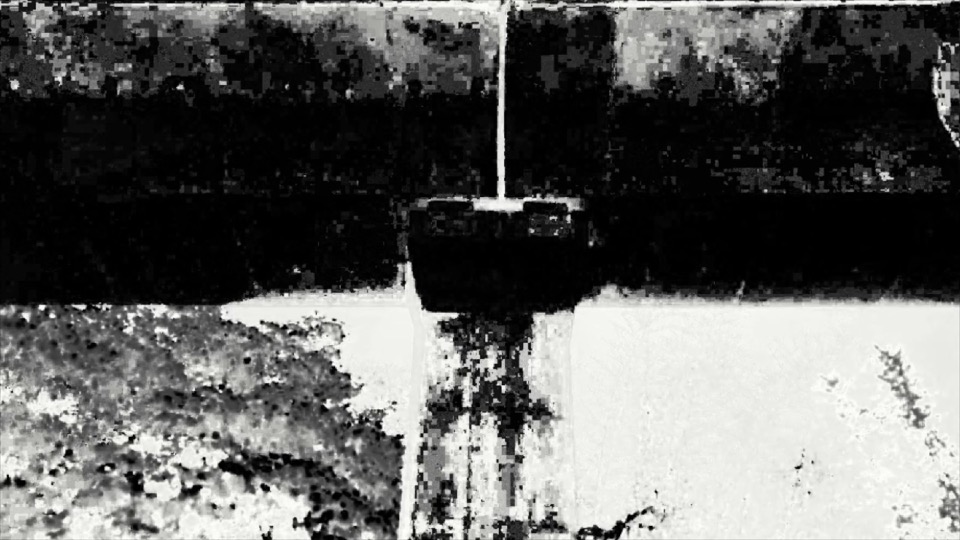
A Review by Michael Betancourt
Michael Betancourt is an artist, filmmaker and writer whose work has shaped critical discussions around cinema, digital media and visual culture for decades. His engagement with abstraction, technology and perception makes him a particularly compelling reader of Malcolm Fernandes’ 7 Poems of Form Trapped in the Middle of Chaos or Time Held in the Arms of Love?. In this review, Betancourt moves beyond the film’s surface disruptions to examine its deeper concerns with memory, loss…
-
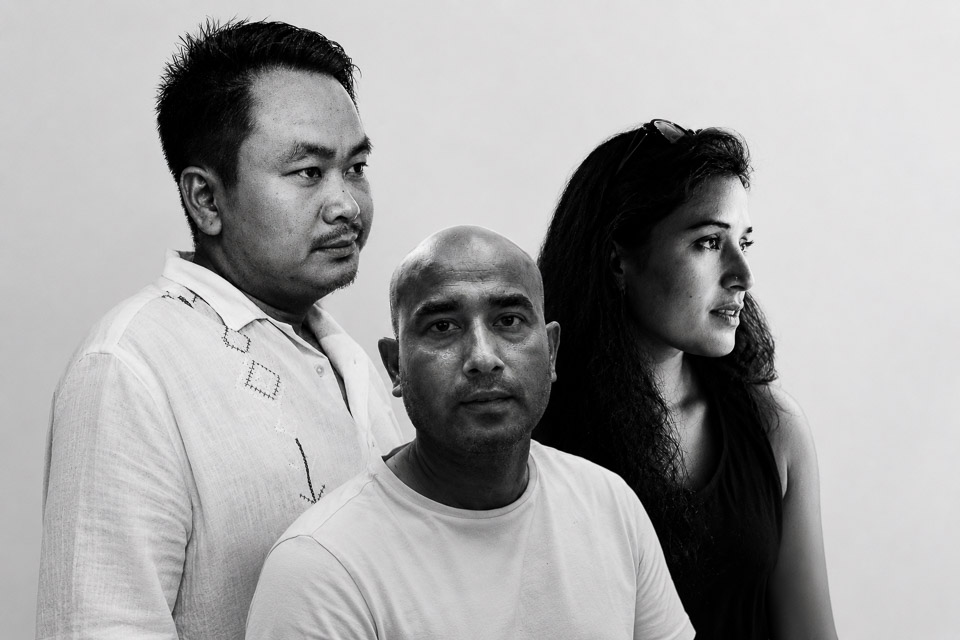
The Language of the Moment
The language of contemporary art is changing. For a long time the art world was obsessed with scale. Bigger installations. Bigger statements. Bigger claims. Every fair seemed louder than the last. Every biennale appeared determined to explain the world. Art often carried the burden of solving social, political, environmental and cultural problems all at once. Something feels different today. When I visit fairs, museums and galleries, I find myself spending time with work that moves…
-
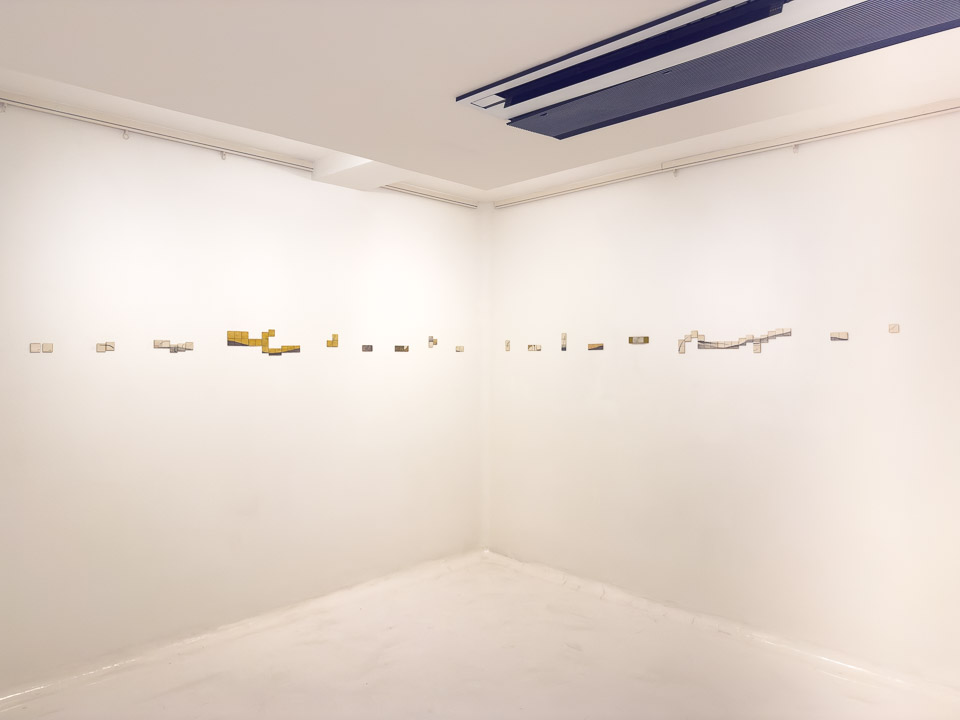
Fragments of Passage
There is a certain kind of risk missing in contemporary art today. Artists have become comfortable with their own language. Comfortable with repetition. Comfortable with aesthetics that are already accepted. Once something starts working many artists stay there. The work becomes predictable. The conversations around it become predictable too. Fragments of Passage by Rubkirat Vohra moves away from that comfort. Attempting a work consisting of eighty individual pieces measuring 5 cm by 5 cm already…
-
The Kettle
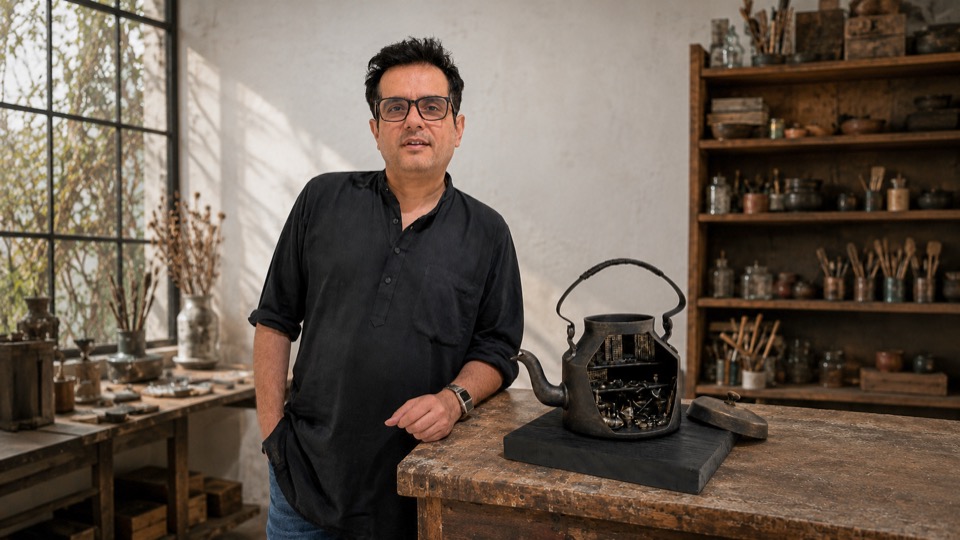
Nostalgia has become one of the most urgent subjects in contemporary art because modern life is forgetting itself too efficiently. We document everything.We retain very little. Photographs disappear into phones. Personal histories survive as invisible files stored somewhere in distant servers. Entire emotional lives are reduced to digital storage. Contemporary culture preserves data. It rarely preserves emotional truth. Against this condition, artists working with physical memory carry unusual importance. understands this with remarkable clarity. His…
-
The Intimacy of Small Format
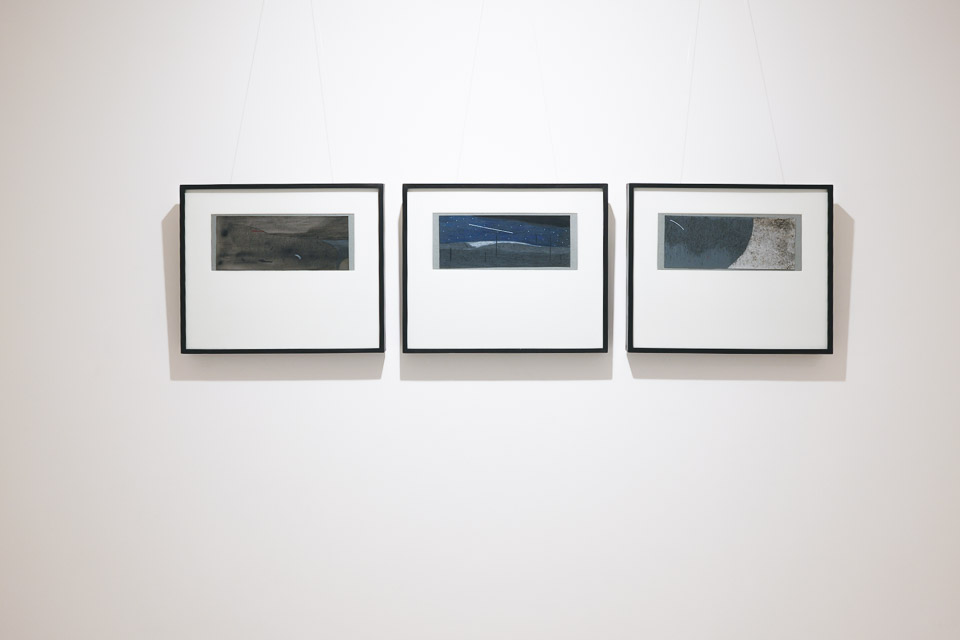
There is a strange prejudice in contemporary art against the small work. The assumption persists that scale equals seriousness. Bigger works dominate fairs, museums, Instagram feeds, and gallery booths because they command attention instantly. They perform well in photographs. They announce themselves before they are even understood. But attention and depth are two different things. Small format work asks for something far more difficult from the viewer. Time. A small painting cannot bully its audience…
-

The 24 feet work
Abhijit Pathak’s work in this exhibition stretches across twenty four feet, yet its starting point is disarmingly simple. A line. A mark. A return to drawing. That return became central to our conversations. Drawing, in Abhijit’s practice, sits at the core. It is where his thinking is most direct. Where the hand moves with clarity. Where observation and instinct meet without delay. Over the years, as his practice expanded into large scale mixed media works…
-
Suchit’s nostalgia series
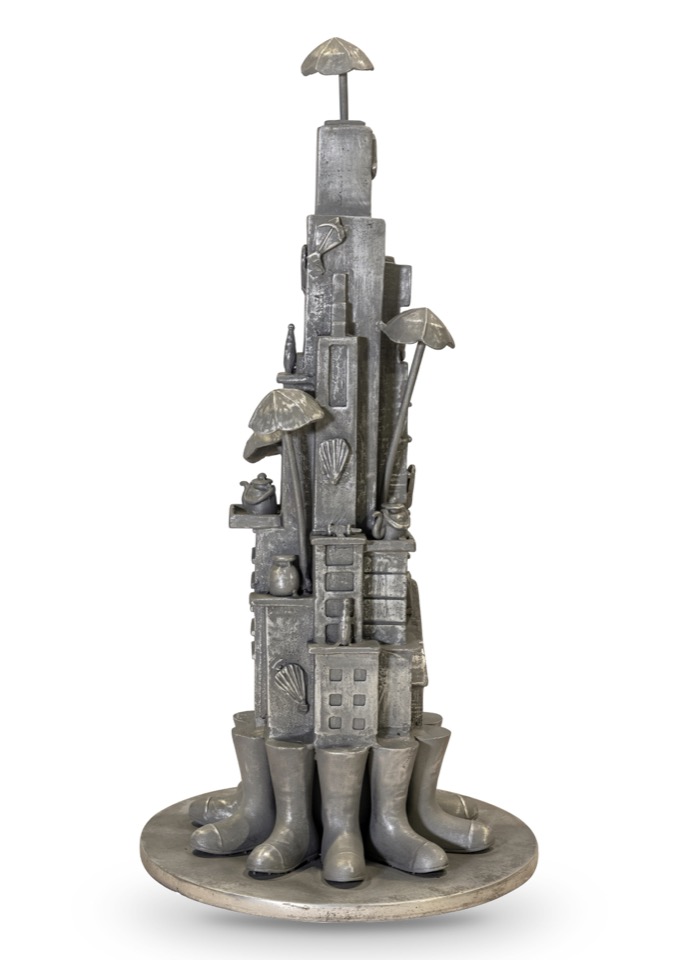
Suchit Sahni’s Nostalgia series sits in that rare space where memory feels close enough to touch. He works with metal, yet the mood is gentle. He leans into objects that shaped everyday life in urban India during the eighties and nineties. Things many of us handled without thinking. A kite that once drifted across summer skies. A tea kettle that stayed on a family stove for years. Rainboots that carried a child across puddles. Buildings…
-
Work Matters
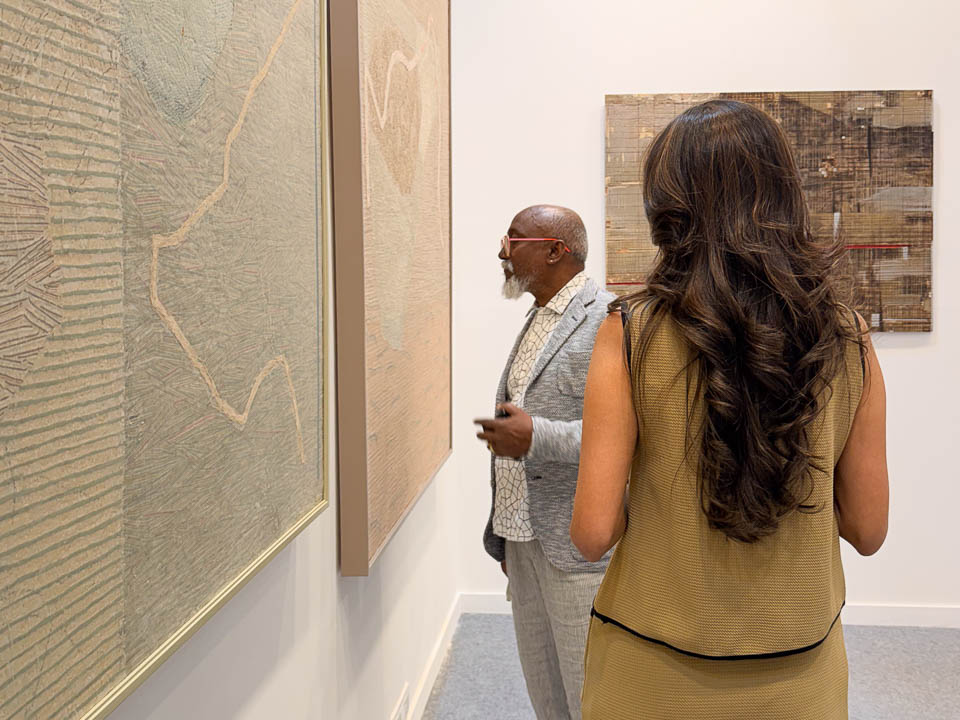
Art Mumbai delivered a surge of energy that felt earned. The four days proved that focused contemporary practice can hold its ground in a crowded landscape. The gallery went in with clarity and came out with real confidence. Sales were strong from the first day, yet the real win lay in the depth of engagement. Collectors stayed longer. Designers asked sharper questions. Buyers showed intent. The wider public brought curiosity that fed the entire booth.…
-
Harpreet Narula’s expression
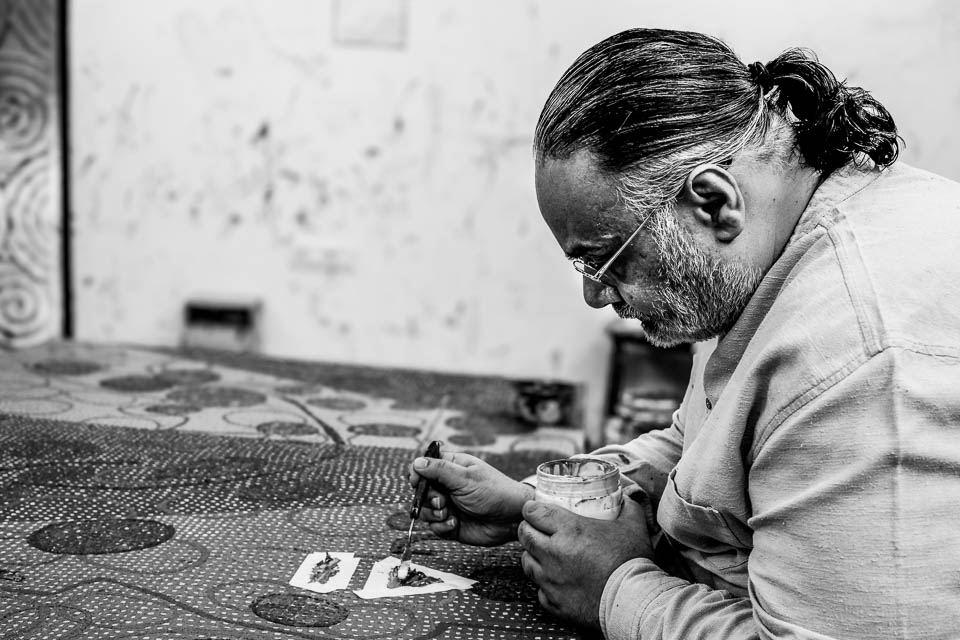
Harpreet Narula works in abstraction with a quiet intensity. His practice grows through repetition — lines, dots, and forms assembled with precision yet touched by the hand. Each mark builds continuity, turning process into a way of being. For him, making is as essential as breathing, a daily act of grounding and release. The influence of Yayoi Kusama lives in his work as spirit. Pattern becomes his language for release, a way to express what…
-
Kiyomi Talaulicar: What Must Endure
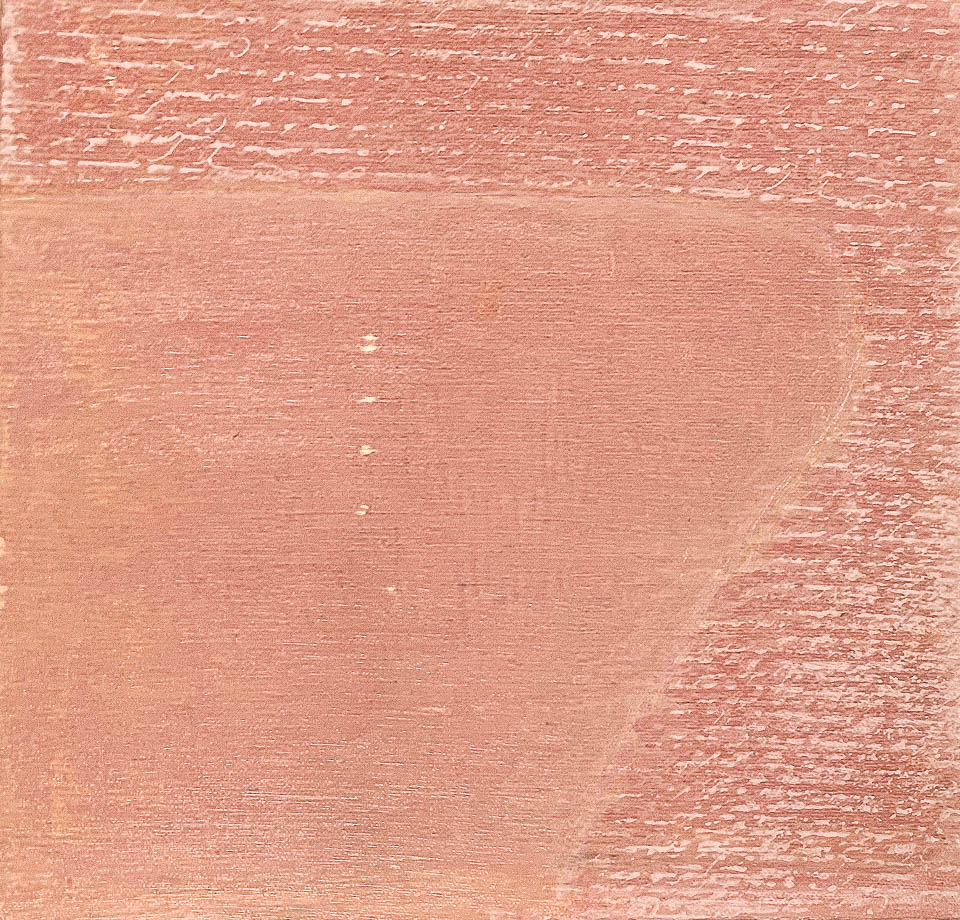
Kiyomi Talaulicar works in attention. Her paintings appear minimal at first glance. Sparse forms, quiet surfaces, subtle textures. Air space dominates. But spend time with them, and you notice the weight in what is not there. Every pause, every mark, every layer is deliberate. Nothing is wasted, nothing accidental. Her practice is about life in its duality—its unpredictability, its movement, its fragile persistence. She describes it as “affirming eager reverence towards life as a singular…
-
The Pivot to New Elements in Nostalgia
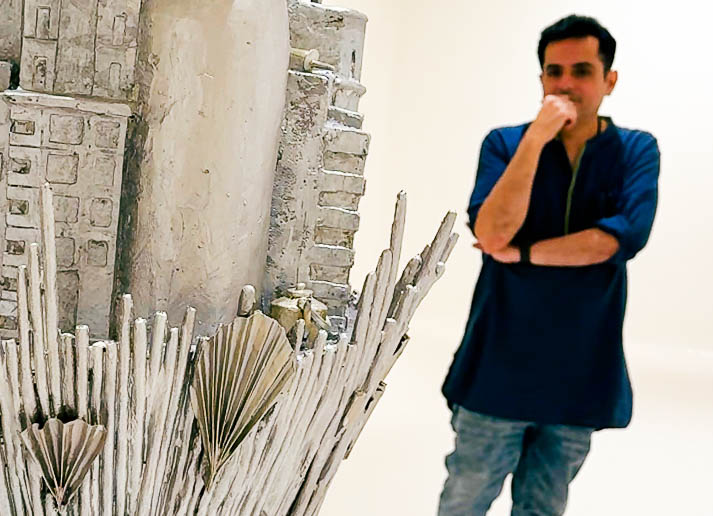
Suchit Sahni has always dealt in memory. His earlier works, especially the iconic vintage car sculptures, offered sleek, minimal tributes to a disappearing past—familiar forms given a near-futuristic finish. The surface seduced. The subject invited longing. His aesthetic was precise, the nostalgia understated. The new works go deeper. They hold less back. In this latest series of sculptures and paintings, Sahni isn’t just evoking nostalgia. He’s trying to visualise it. That’s harder. Nostalgia is unstable.…
-
The Art of Kiyomi Talaulicar
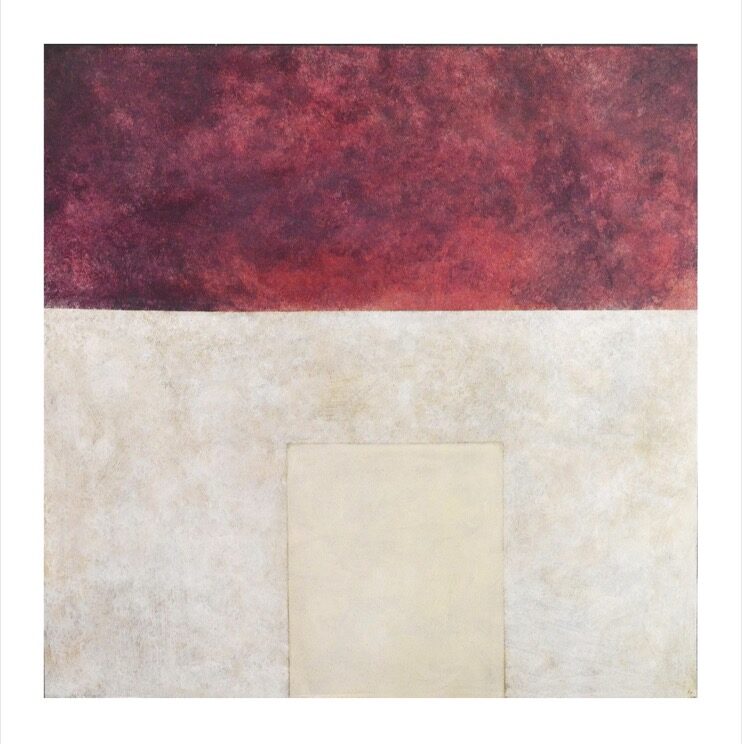
Kiyomi Talaulicar’s artistic practice is an exploration of vulnerability, introspection, and self-reinvention. Her works are a dialogue between the seen and the unseen, where textures, negative space, and minimalism come together to create deeply contemplative visual experiences. Rooted in spontaneity, her process resists rigid preplanning, allowing each piece to evolve organically through instinct and response to the materials at hand. Layered Abstraction and the Presence of Memory Most of Talaulicar’s works are layered abstract compositions,…
-
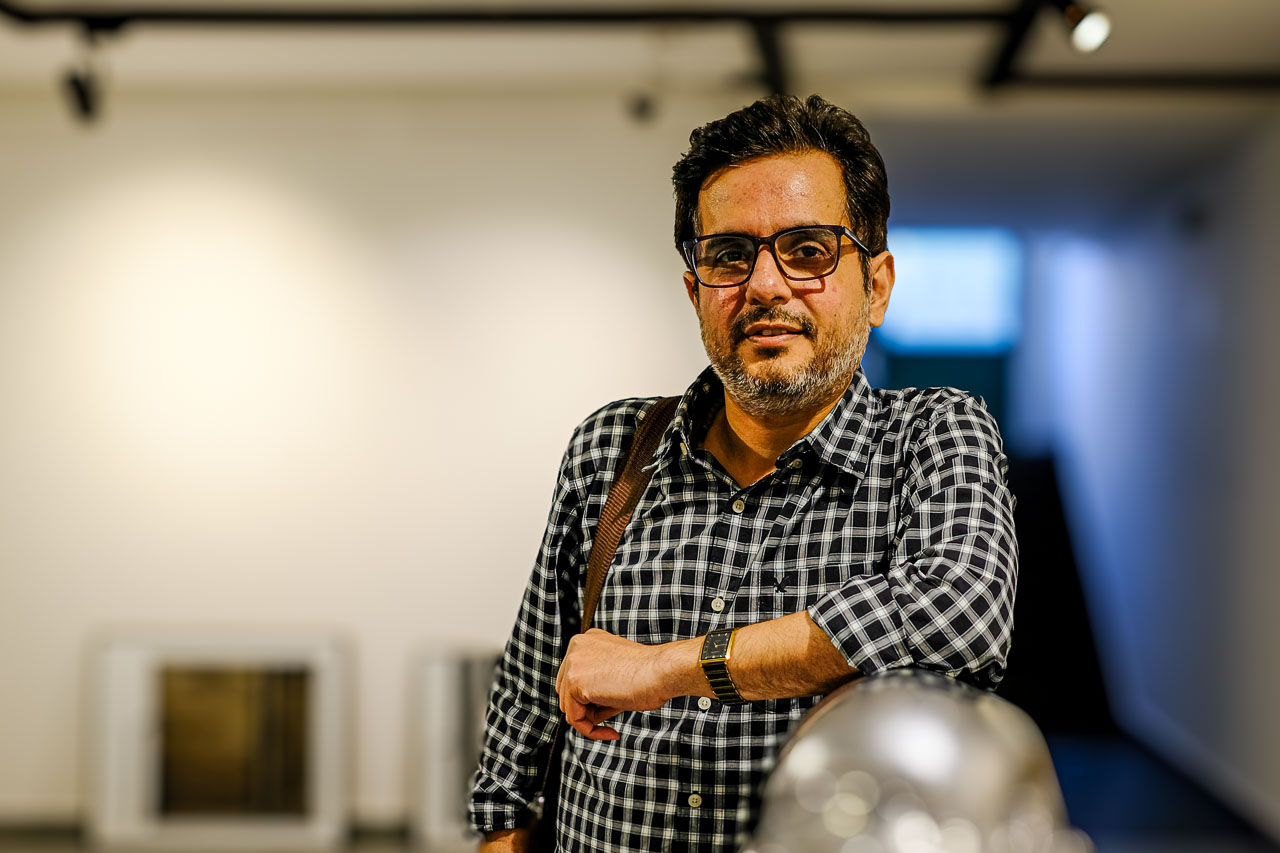
Suchit Sahni Reinvented
Suchit Sahni, a contemporary painter renowned for his vibrant depictions of automobiles, has long captivated audiences with his unique blend of artistry and automotive fascination. Through his vivid canvases, Sahni has masterfully conveyed the allure and dynamism of these machines, infusing them with a sense of life and energy that resonates with viewers. For years, Sahni has honed his craft, exploring the interplay of color, form, and movement within the realm of automotive art. His…
-
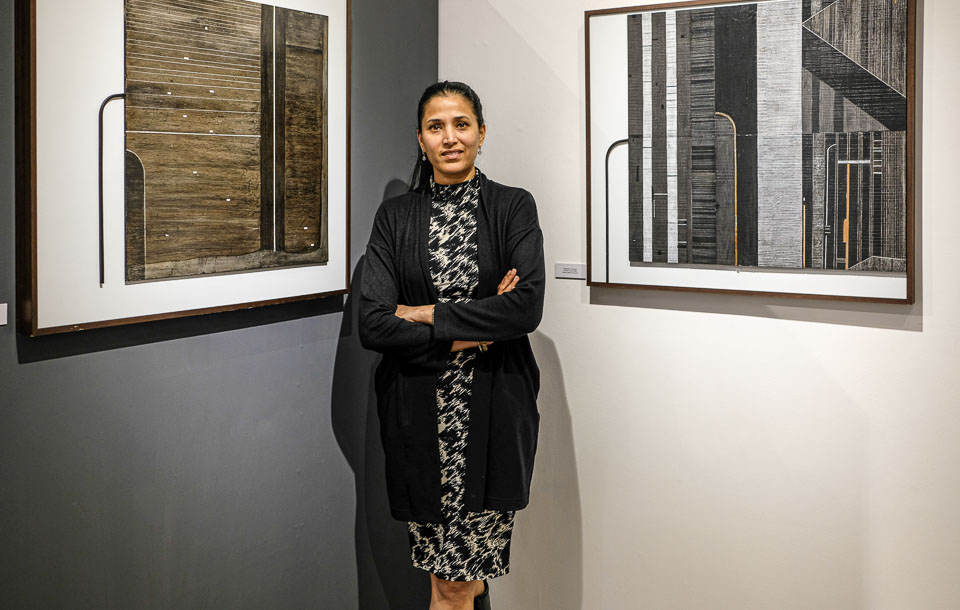
Mehrab: Rubkirat’s Architectural Inspirations
Rubkirat draws from architecture, channelling its solidity into abstract compositions. She engages with structure through a meticulous approach, using lines and geometric forms to construct a distinctive artistic language. The Mehrab, a significant architectural feature in Islamic design, informs much of her visual expression. Her work reflects an affinity for precision and balance. While figurative art mirrors the external world, abstraction distills it into elements of form, space, and rhythm. For Rubkirat, architecture offers a…
-
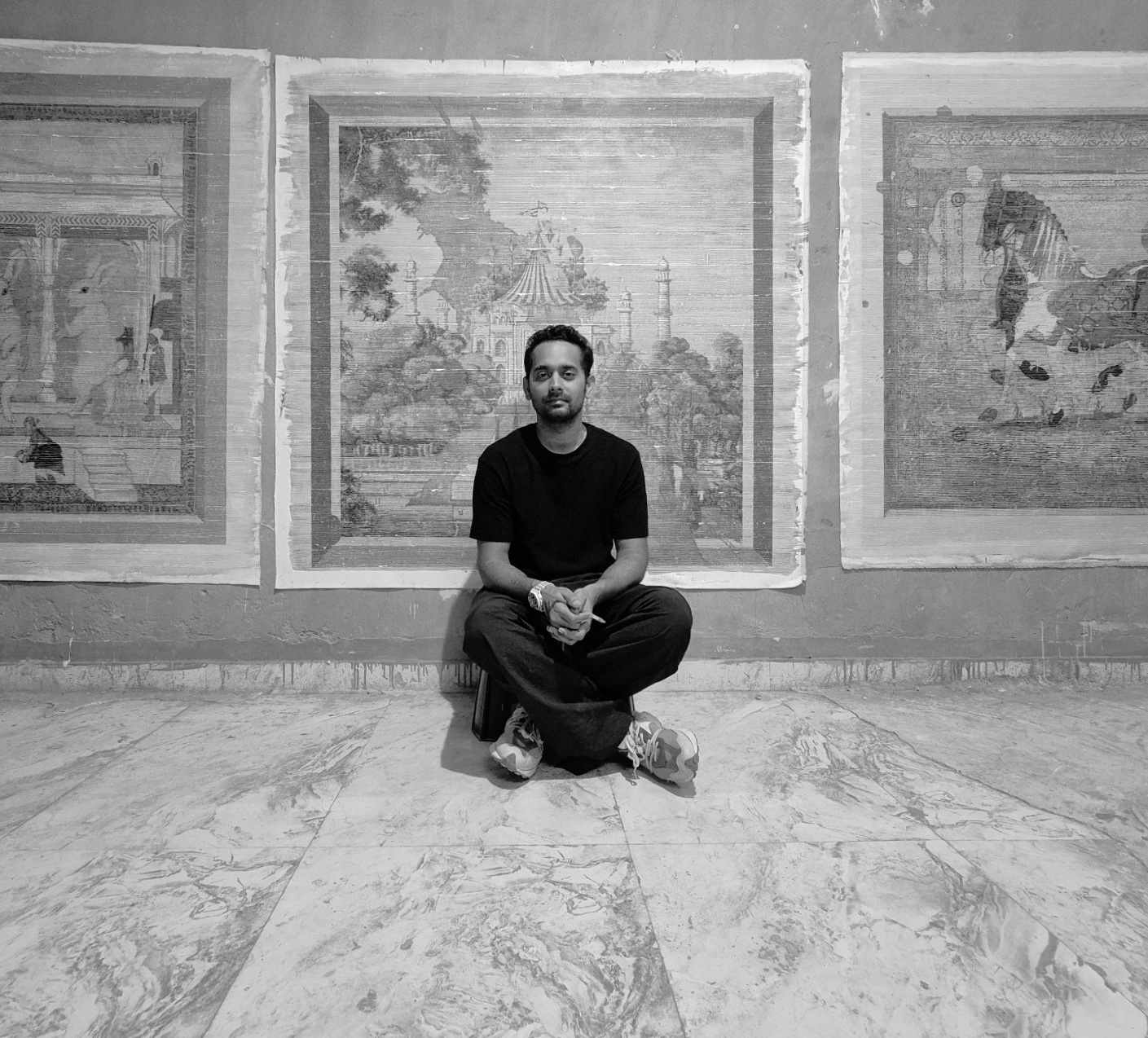
Mangesh Rajguru: Intersection of Humor and History
Mangesh Rajguru’s artistic journey is a captivating exploration of the delicate balance between humor and seriousness, irony and satire. Rajguru’s work is a vibrant mix that weaves together elements from history with a contemporary narrative. The nuanced messages he conveys through his colorful and figurative works are unique and subtle. Rajguru’s artistic language is, in many ways, a mirror reflecting the complexities of our society. The use of vibrant colors and playful imagery draws viewers…
-
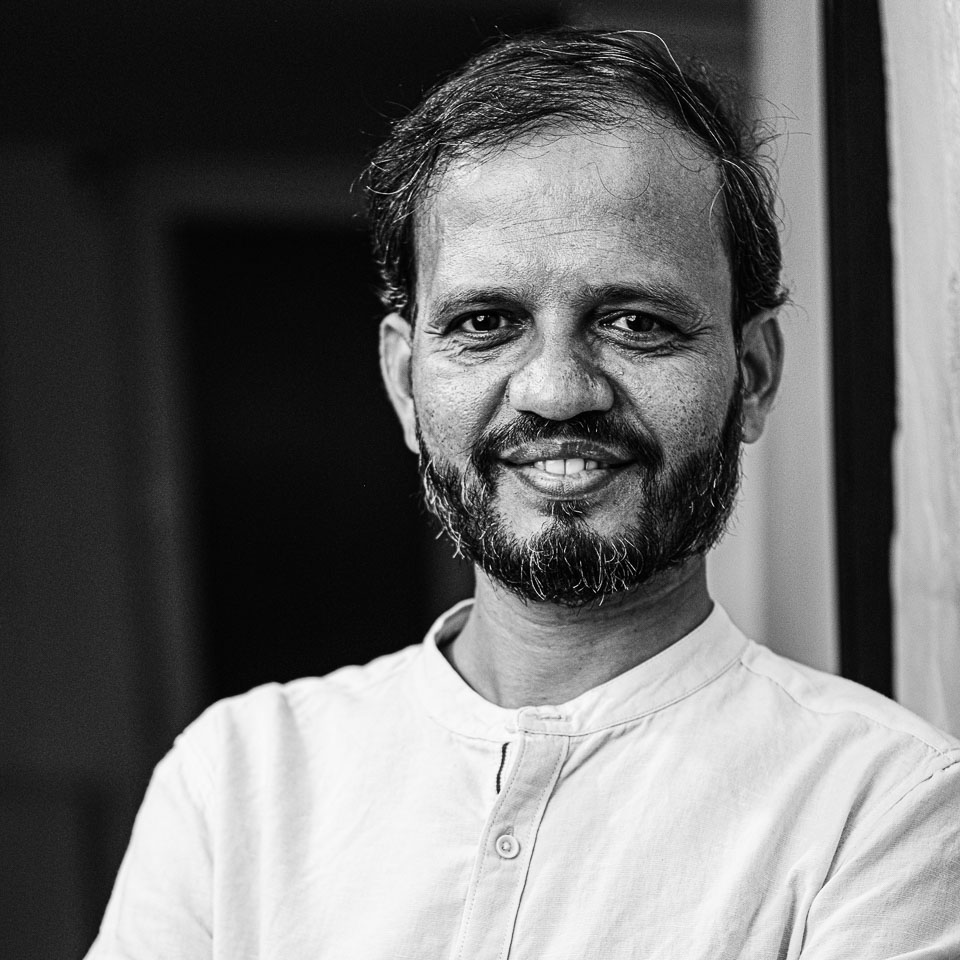
Balasaheb: Intangible Rhythm of Life
Balasaheb Chaudhari, an artist of profound creativity and contemplation, has carved a niche for himself in the world of contemporary art with his abstract textured artworks. Born and raised in the vibrant cultural landscape of Maharashtra, Chaudhari draws inspiration from his natural surroundings, engaging in a constant dialogue with his artwork. Nature, with its multitude colors, forms, and textures, serves as the wellspring of inspiration for Balasaheb Chaudhari. His artworks are a testament to his…
-
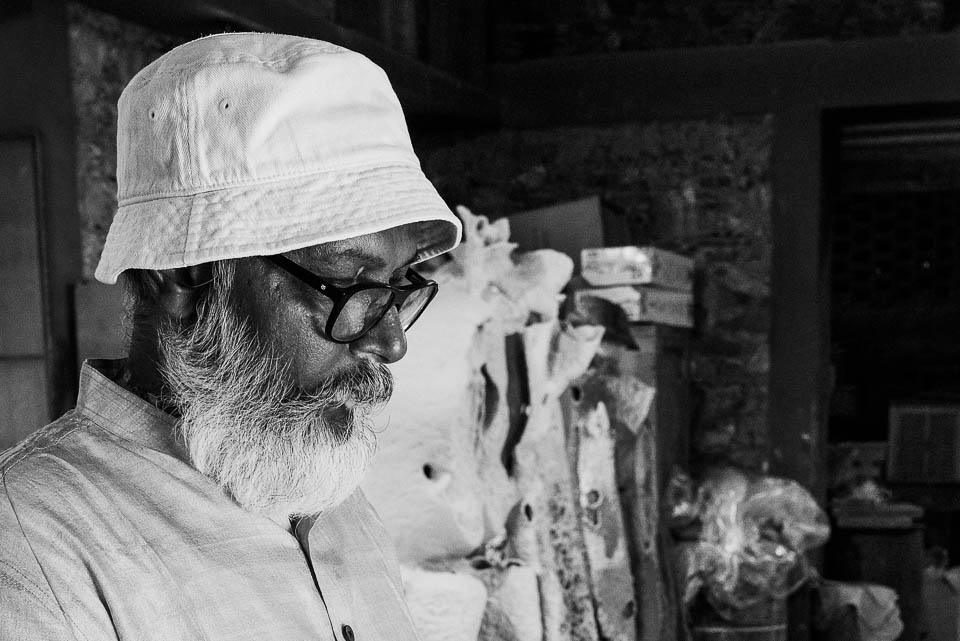
Vipul Kumar: Spiritual and Mythological Narratives
In the realm of contemporary sculpture, Vipul Kumar stands as a luminary whose work transcends traditional boundaries, inviting viewers into a realm where spirituality, Buddhism, and mythological characters converge seamlessly. A mid-career sculptor of exceptional talent, Kumar has distinguished himself through a distinctive fusion of abstract and semi-figurative forms that resonate with a profound spiritual depth. This essay examines the inspirations, and technical mastery of Vipul Kumar, exploring how his sculptures transcend the ordinary, inviting…
-
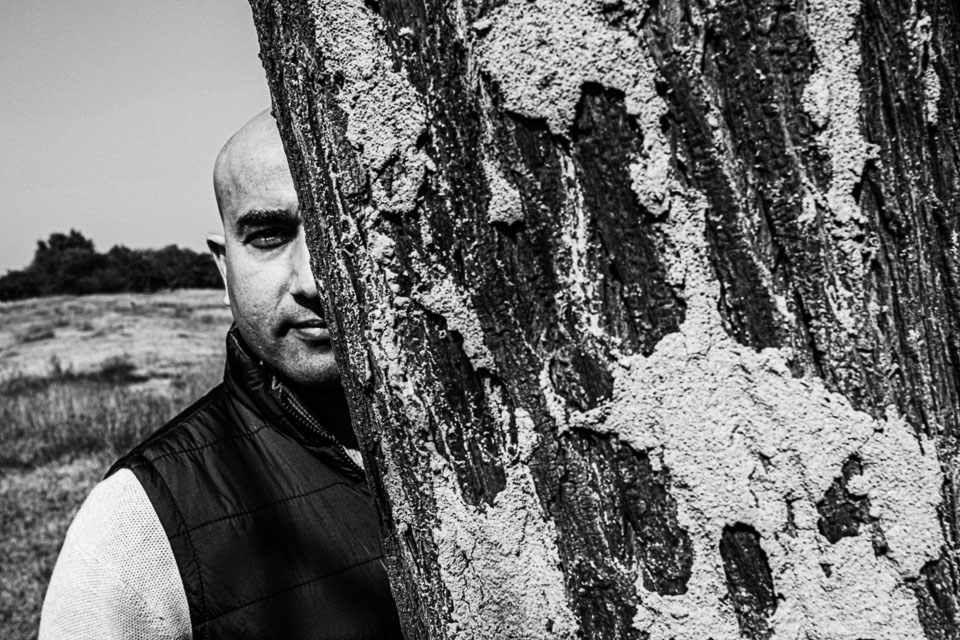
Demystifying Pathak
Abhijit Pathak has built a strong presence in contemporary art through large-scale mixed media compositions. His works balance depth and restraint, integrating materials such as charcoal, pigments, paper, textiles, wood, sand, and metal. Drawing from personal experiences and cultural surroundings, Pathak constructs a visual language shaped by landscapes, people, and architecture. This essay explores the varied influences that shape his creative process, including his rural upbringing, historical structures, and Indian classical music. Pathak’s journey begins…