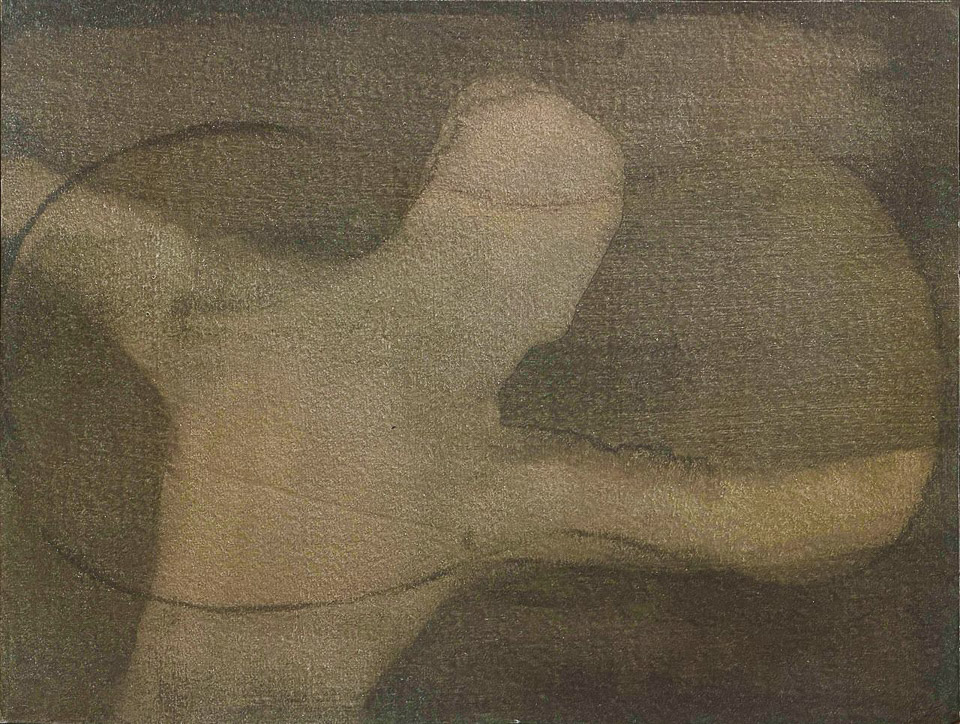
I went to Kiyomi Talaulicar’s studio a few months ago for the paintings I thought I knew. I left thinking about the small ones.
They were set to one side, unframed, stacked the way you stack things you mean to return to. A few inches square, some the size of a postcard, a couple small enough to cover with one hand. I picked them up one at a time, and the room went quiet around me. That is the feeling I want to describe, because it is most of what there is to say. You hold this work. You come in close to it. It draws you near and slows you to its own pace.
What is in them comes to you slowly. A figure half surfaced and half lost. An object that might be a tool or a charm. A red line carrying a whole mood through the dark. A soft circle that holds a head, a sun and a stone all at once. She lets these things stay uncertain, and the uncertainty is the work. She leaves them open. She lets you stand alone with a surface built up and scraped back over and over, until what remains feels chosen, every mark kept on purpose.
The feeling is quiet, and it is sensitive in the older sense of the word. Alert. Thin skinned. The work registers small things and trusts you to register them too. It speaks low. It works at the size of a held object and the closeness of one. It asks for proximity and patience, for a kind of attention that has gone scarce, and it returns that attention in full. Stand in front of one of these for a minute and your own pulse seems to drop. That is rare, and it is made.
These pieces come from somewhere. You can feel a life inside them, places lived in, things kept, a private script of marks that read like notes she left for herself. That is why they hold. They grow from her own experience. The best of them sit between the early 1990s and the middle of the 2000s, and across those years the work grows quieter and gains weight. The figures recede. What stays is the memory of a figure, the weight of one, which is the harder thing to make and the rarer thing to find.
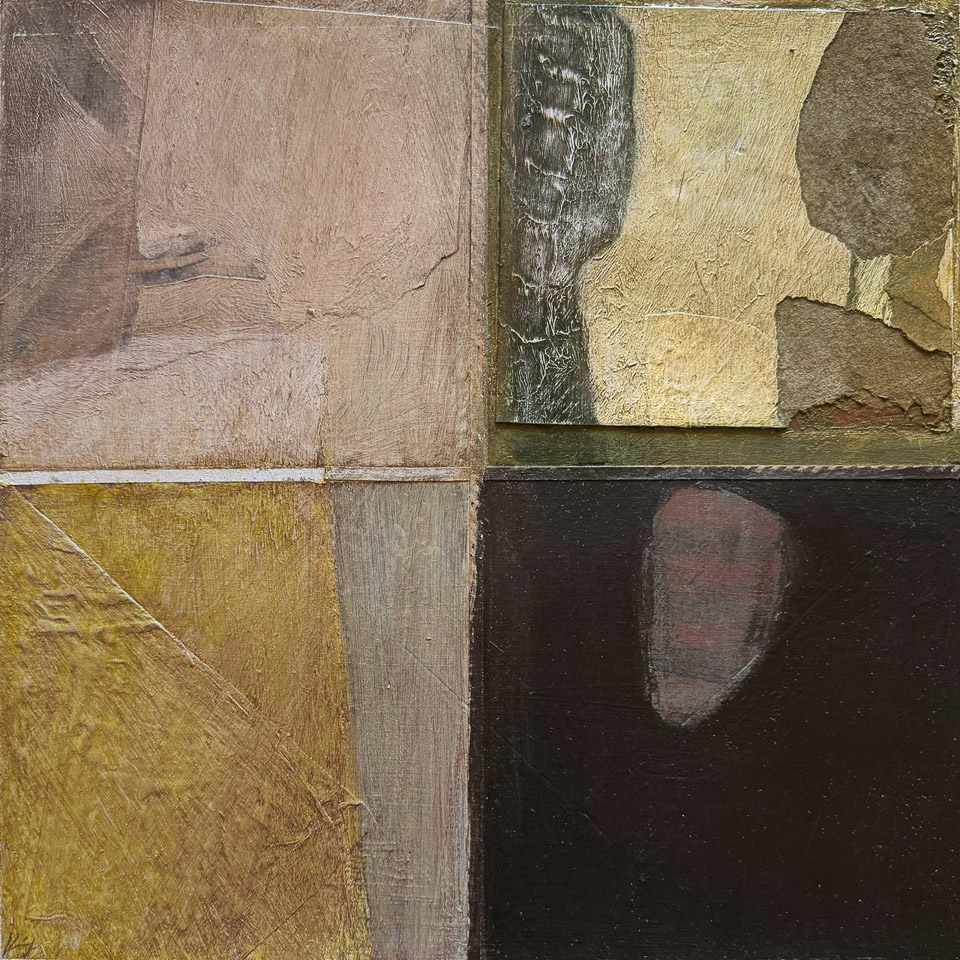
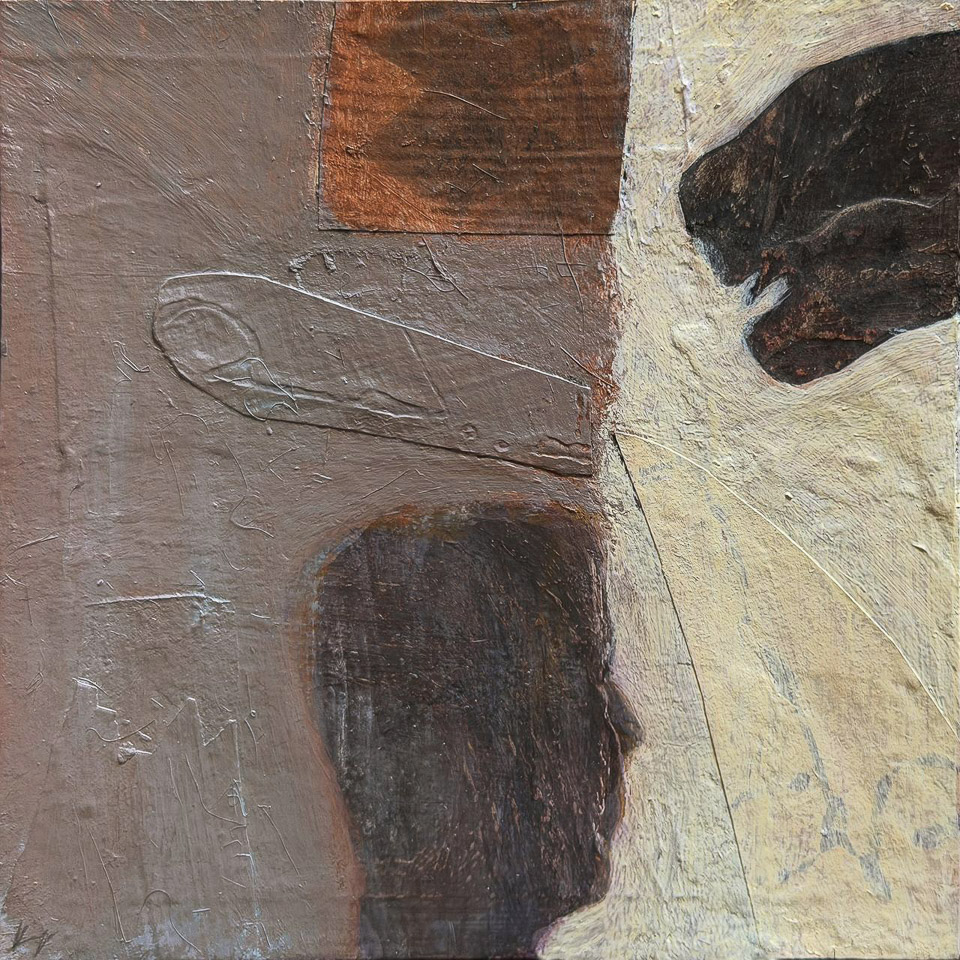
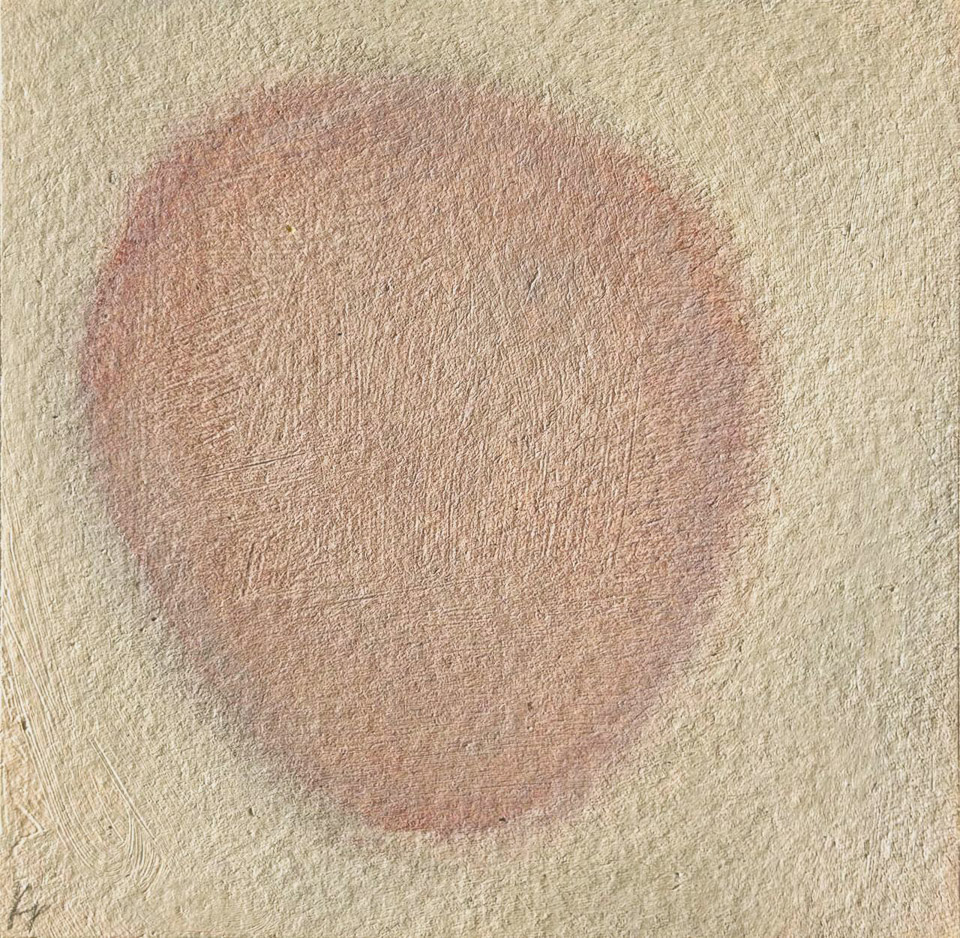
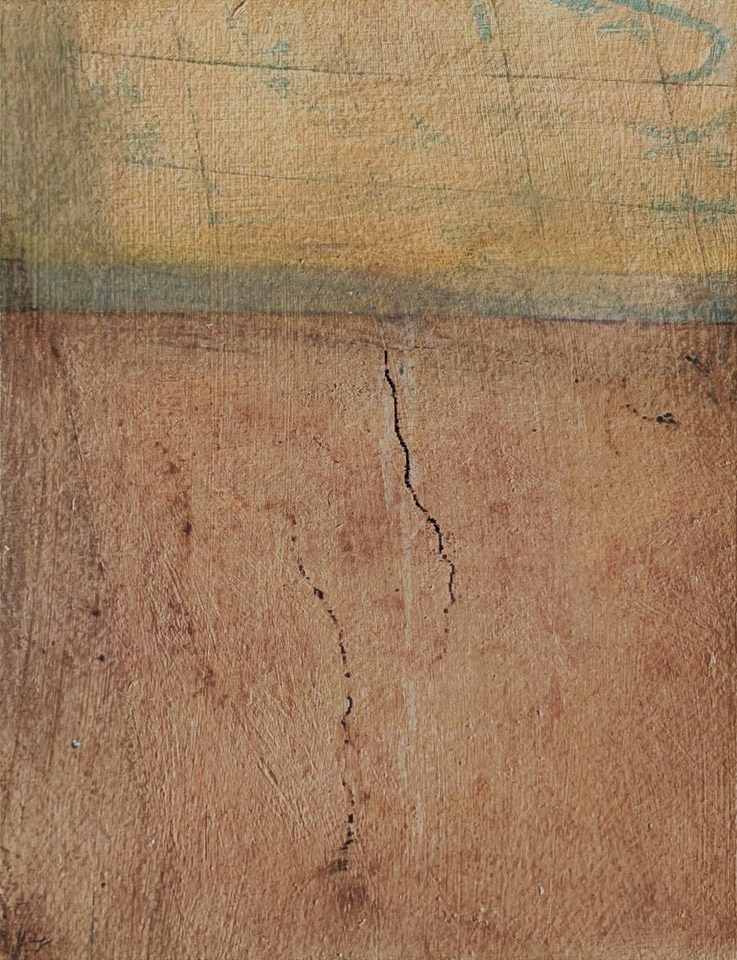
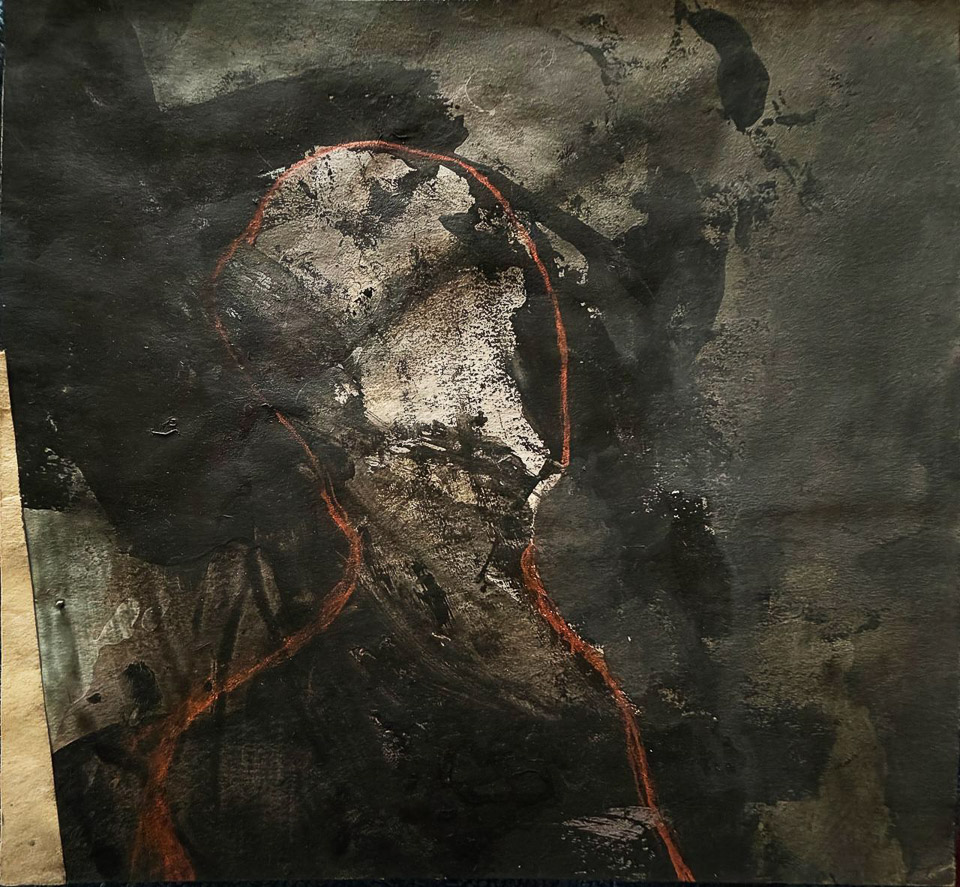
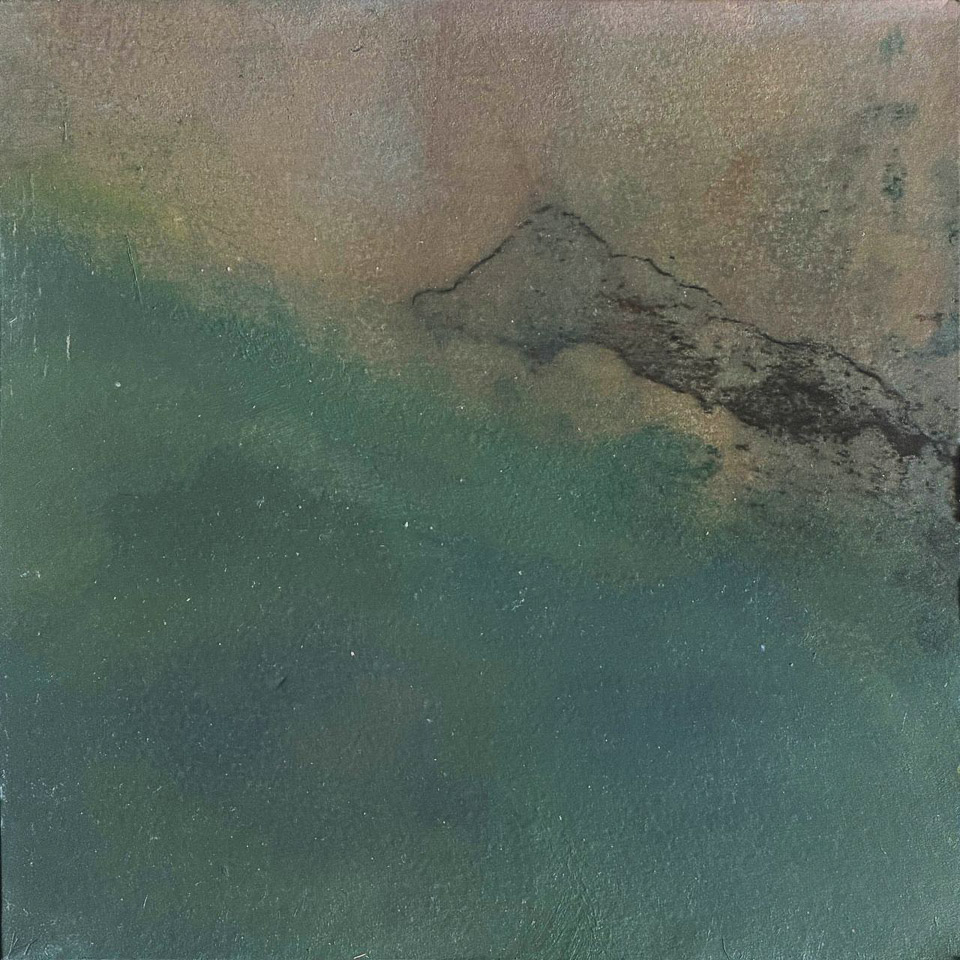
This is an argument for what comes next, built on what she has already done. The vein she opened here still holds more than she took from it. She set these aside and moved on to larger surfaces, and the larger surfaces have their reasons. The small quiet work stayed an open direction. The individual pieces are complete. The line they pointed along still runs forward.
So this is a request, made plainly. Go back to these. Pick up where they were set down. Work small again, quiet again, close to her own experience again. She is a surer artist now than she was in 1991. Bring that assurance to the place where she was most herself and the work will go deeper than it did the first time.
It would enhance her, because this is the register where her sensitivity moves freely. It would enrich us, because work like this is rare, and rarity is its own argument for making more, and we hunger for things that ask us to slow down and lean in. A painting you can hold in one hand changes how a person looks. It returns attention to a human size, the size that meets a person where they stand.
I keep thinking of the gesture of picking them up in the studio, one at a time, the room going still. They had been waiting, quietly, to be held again. I think they were also waiting for her to come back to them.
Cover: SWAY, Acrylic on Arches Paper, 8.87 x 6.75 inches, 2005.