The language of contemporary art is changing.
For a long time the art world was obsessed with scale. Bigger installations. Bigger statements. Bigger claims. Every fair seemed louder than the last. Every biennale appeared determined to explain the world. Art often carried the burden of solving social, political, environmental and cultural problems all at once.
Something feels different today.
When I visit fairs, museums and galleries, I find myself spending time with work that moves in the opposite direction. The strongest works often speak quietly. They are rooted in memory. They emerge from place. They carry the weight of personal experience. They ask for attention rather than demand it.
Politics remains part of the conversation. It always will. Artists respond to the world around them. Yet the most compelling practices today seem less interested in slogans and more interested in how we make sense of the world around us. Identity, belonging, memory, environment and personal history have moved to the centre. Audiences appear increasingly willing to spend time with work that unfolds slowly.
This matters because contemporary art has entered a period where authenticity carries real value.
Collectors see thousands of artworks every year. Curators travel continuously. Images circulate endlessly online. The challenge is no longer visibility. The challenge is finding work that remains with you after you leave the room.
That usually comes from artists who are deeply invested in their own language.
At Art Explore, this shift feels familiar.
The gallery was founded in New Delhi in 2016 with a simple belief. Artists need time. Practices need room to grow. Meaningful work develops through years of commitment rather than sudden attention.
As a result, many of the conversations that dominate contemporary art today have existed within our programme for years.
Take Abhijit Pathak.
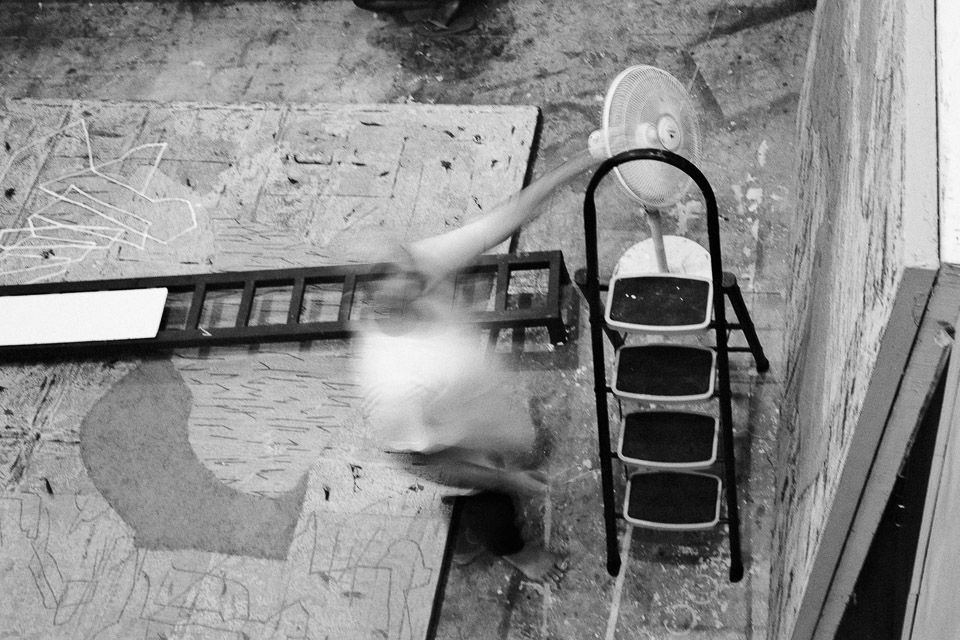
His paintings are built through accumulation. Layers emerge, disappear and return. Marks are made and erased. Surfaces carry evidence of time. Standing in front of one of his large works, the experience is physical. The painting asks you to slow down. It asks you to look again. Then look once more.
That relationship with time feels increasingly relevant today. We live in an age of endless scrolling and instant judgement. Abhijit’s work operates at a different pace. It rewards patience. The longer you stay with it, the more it reveals.
Rubkirat Vohra arrives at a similar destination through a very different route.
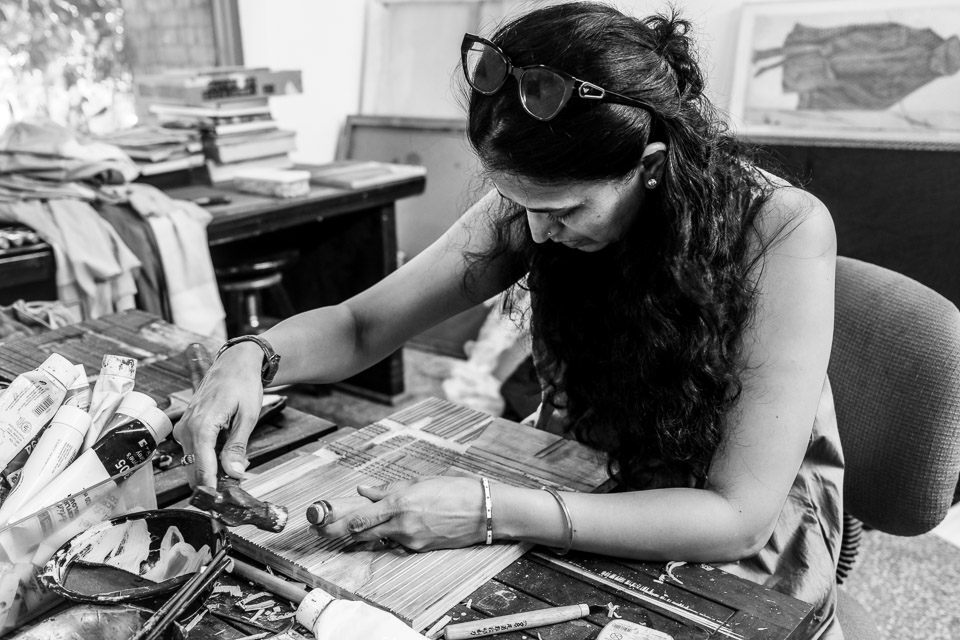
Her geometric abstractions are grounded in structure and precision. Yet beneath that precision sits something deeply personal. There is contemplation in the work. A search for balance. A quiet enquiry into space, order and meaning.
Many contemporary artists are exploring identity through narrative and representation. Rubkirat approaches the same territory through abstraction. The result feels both intimate and expansive. The work carries a sense of stillness that resonates strongly in a culture built around constant stimulation.
Then there is Throngkiuba Yimchungru.
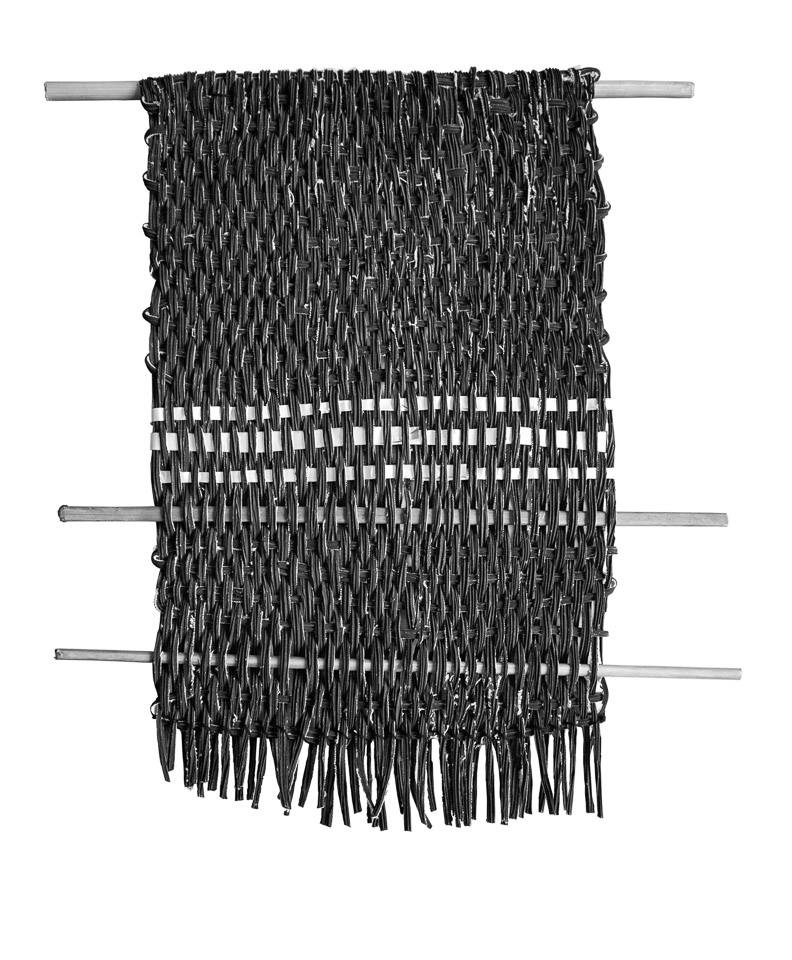
His practice emerges directly from the realities of Nagaland. Identity, environment and place are central concerns. What makes the work powerful is its specificity. It speaks from a particular context with clarity and conviction.
This is where contemporary art is becoming especially interesting.
The international art world spent decades searching for a global language. Today there is growing appreciation for local voices. Audiences want to understand how artists engage with their own histories, landscapes and communities. The more specific the perspective, the stronger the connection often becomes.
Throngkiuba’s work demonstrates this beautifully. It belongs firmly to its place while remaining relevant far beyond it.
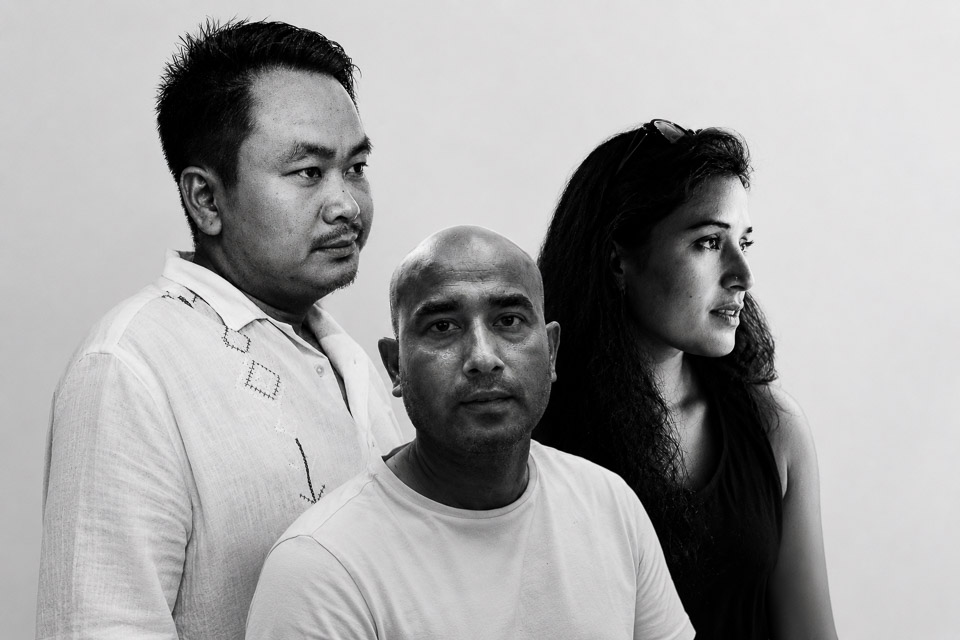
These three artists work in entirely different ways. One through layered abstraction. One through geometry and contemplation. One through identity and environment.
Yet they share something important.
Each has developed a language that comes from sustained engagement with their own concerns. Each has spent years refining a practice rather than responding to fashion. Each creates work that rewards attention.
That is where I believe the contemporary art world finds itself today.
The appetite for novelty remains. The market will always chase the next thing. Yet beneath that surface there is a growing appreciation for depth. For process. For consistency. For artists who have spent years developing a vocabulary that belongs entirely to them.
For galleries, this creates an interesting moment.
Success increasingly depends on conviction. Collectors are becoming more informed. Institutions are looking for substance. Audiences are seeking experiences that stay with them long after they leave an exhibition.
Art Explore is well positioned within this landscape because the gallery was built around artists rather than trends. The focus has always been on long term engagement, studio conversations and sustained development. The programme has grown slowly, deliberately and with purpose.
The current moment rewards exactly those qualities.
The language of contemporary art continues to evolve. Memory has become important. Place has become important. Identity has become important. Environment has become important. Artists are looking closely at where they come from and how they understand the world around them.
Many of the artists we work with have been engaged with these questions for years.
The language of the moment has changed.
The artists have simply continued the conversation they were already having.