There is a certain kind of risk missing in contemporary art today. Artists have become comfortable with their own language. Comfortable with repetition. Comfortable with aesthetics that are already accepted. Once something starts working many artists stay there. The work becomes predictable. The conversations around it become predictable too.
Fragments of Passage by Rubkirat Vohra moves away from that comfort.
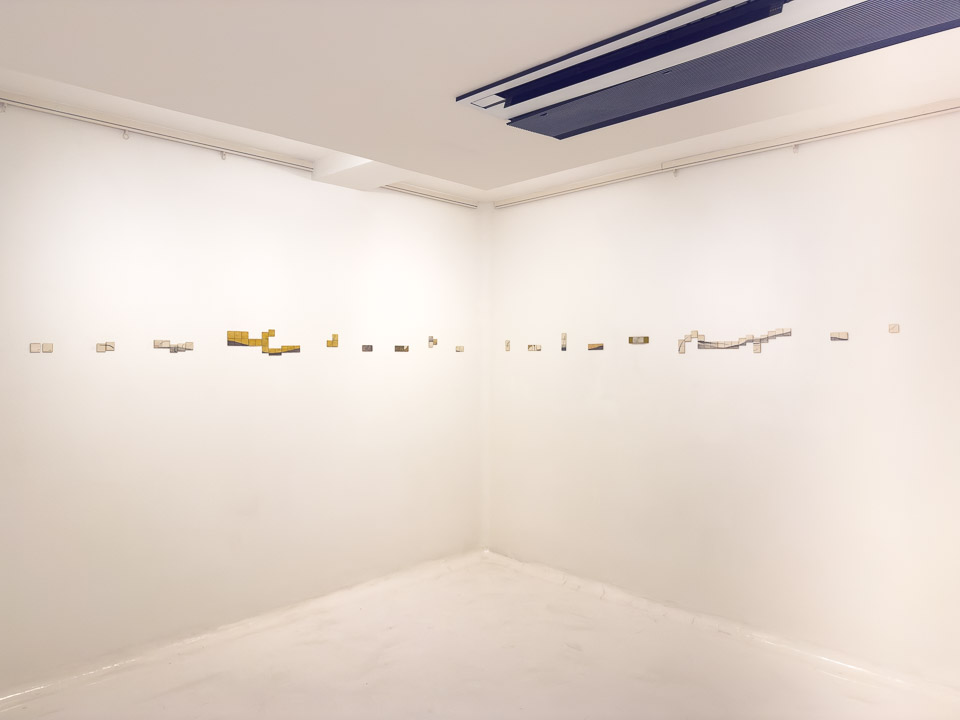
Attempting a work consisting of eighty individual pieces measuring 5 cm by 5 cm already tells me that Rubkirat is willing to take risks. The safety is not there. At this scale every mark matters. Every surface matters. Every imbalance becomes visible. There is nowhere to hide.
As I always say, if you do not try something you will never know. You will never know the limits or vastness of your own creative capacity. Art has always come from asking questions. From refusing to remain within fixed structures. Even when the work is deeply personal and not social or political, rebellion still exists within the act of pushing against comfort.
This work does exactly that.
Most contemporary artists move toward enlargement. Bigger works. Bigger gestures. Bigger statements. Scale is often used to dominate the viewer physically. Rubkirat reverses that relationship completely. She reduces the scale so dramatically that the viewer is forced into intimacy. You cannot look at these works casually. You cannot consume them quickly from a distance. The work forces you to slow down.
That changes everything.
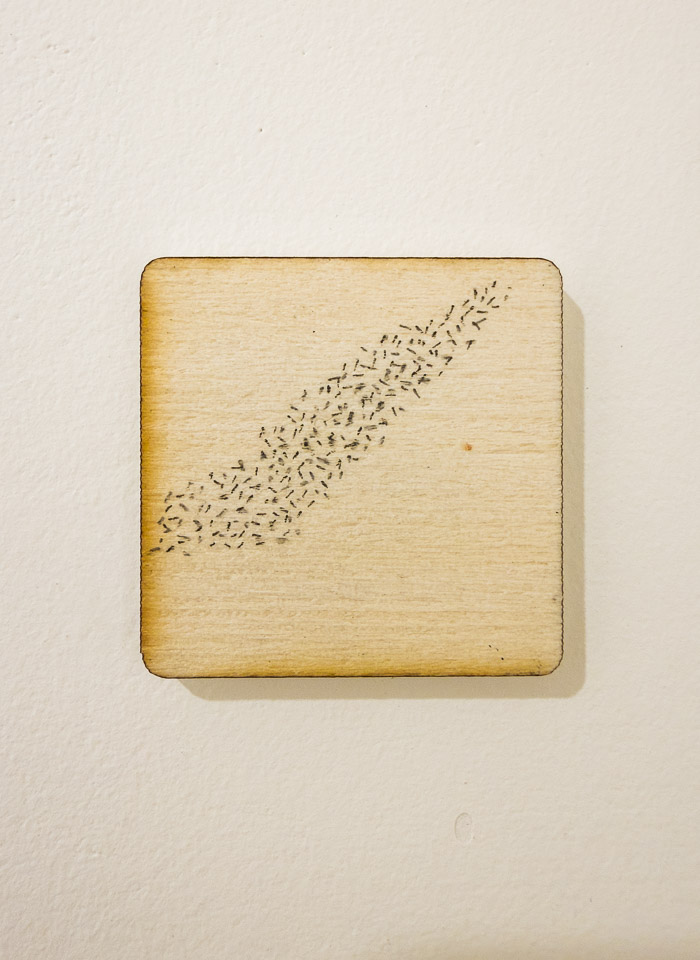
The challenge here is not only conceptual. It is aesthetic and emotional too. Repetition at this scale can easily become dead. Uniformity can flatten the work. Too much variation can destroy continuity. Maintaining sensitivity across eighty modular pieces while still holding them together as a complete body of work is extremely difficult.
Yet the balance remains throughout.
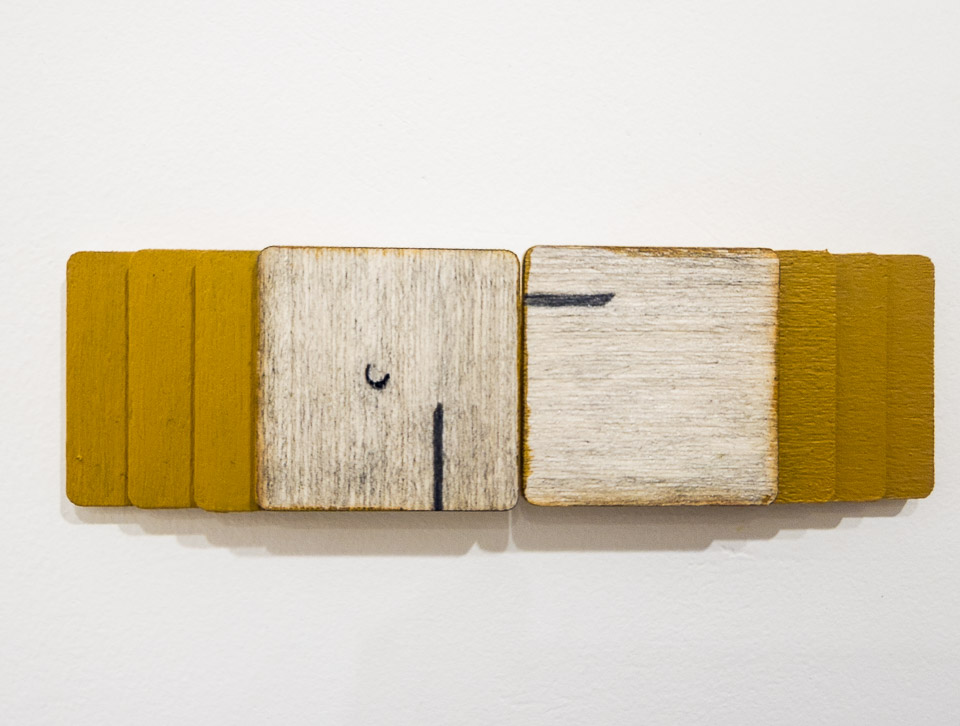
What is interesting is that each square exists as a complete work in itself. Yet none of the works seek isolation. They constantly speak to each other. One fragment changes beside another. Small sets of two, three or five pieces begin creating their own rhythm and emotional movement. Then suddenly the entire installation shifts again when viewed as eighty works together.
The viewing process itself changes.
Usually we first encounter an artwork as a whole and then move toward marks, lines, surfaces and details. Here the process becomes inverted. You first encounter the individual fragment. Then the details within the fragment. Then the relationship between fragments. Then clusters. Then finally the complete field of eighty works.
At every stage the work feels complete.
The viewer is forced into curiosity. Forced into investigation. Forced into spending time. You begin looking carefully at each square in singularity and then as part of smaller conversations before arriving at the complete work. That shift completely changes how attention operates.
In many ways the work feels architectural in structure.
Rubkirat has always drawn inspiration from history and architecture and those concerns continue here. The fragments feel excavated rather than produced. They carry traces of memory, erosion and lived experience. The works feel quiet without becoming passive. There is movement within the silence.
What I appreciate is that the work never becomes theatrical emotionally. The sensitivity lies in restraint. These fragments hold pauses carefully. They resist over explanation. They allow ambiguity to remain alive.
Rubkirat calls these works fragments and that word becomes important. A fragment suggests something incomplete. A surviving piece. A memory interrupted by time. Yet here fragmentation expands meaning rather than reducing it. The viewer instinctively begins creating connections between surfaces, marks and spaces.
The modular structure pushes this even further. These works can be rearranged depending on the space and context. New relationships continue emerging. The installation remains alive rather than fixed.
Yet despite this openness the work never loses coherence.
That itself is a major achievement.
Maintaining emotional and visual continuity across multiple individual surfaces requires immense discipline. Rubkirat achieves this without forcing sameness onto the work. Every fragment breathes independently while still remaining connected to the larger structure.
There is also something deeply human within this series.
This work feels observed.
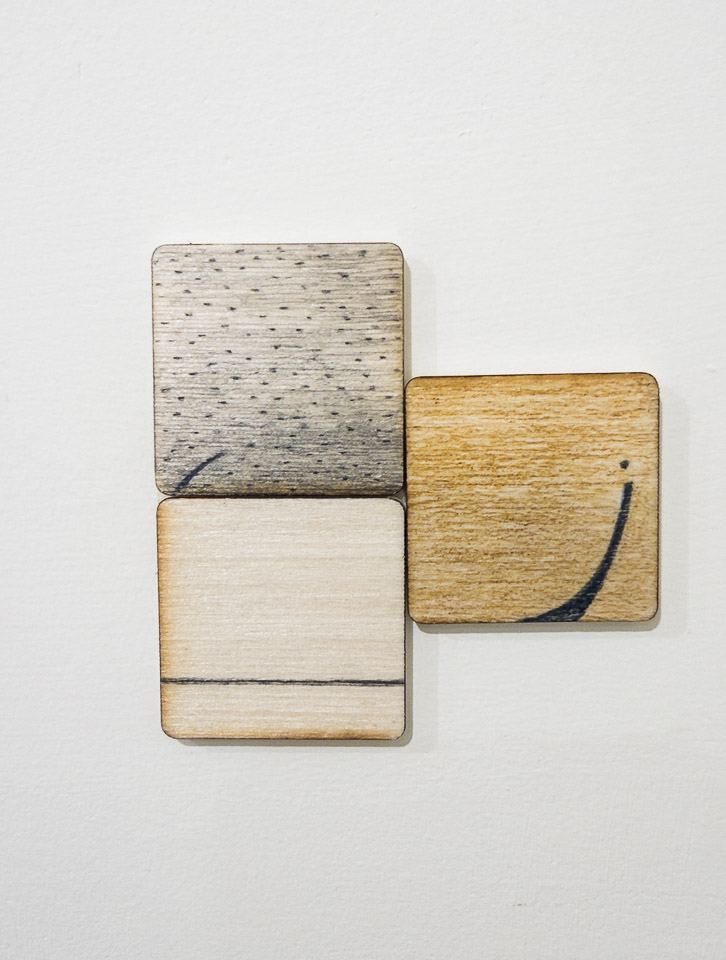
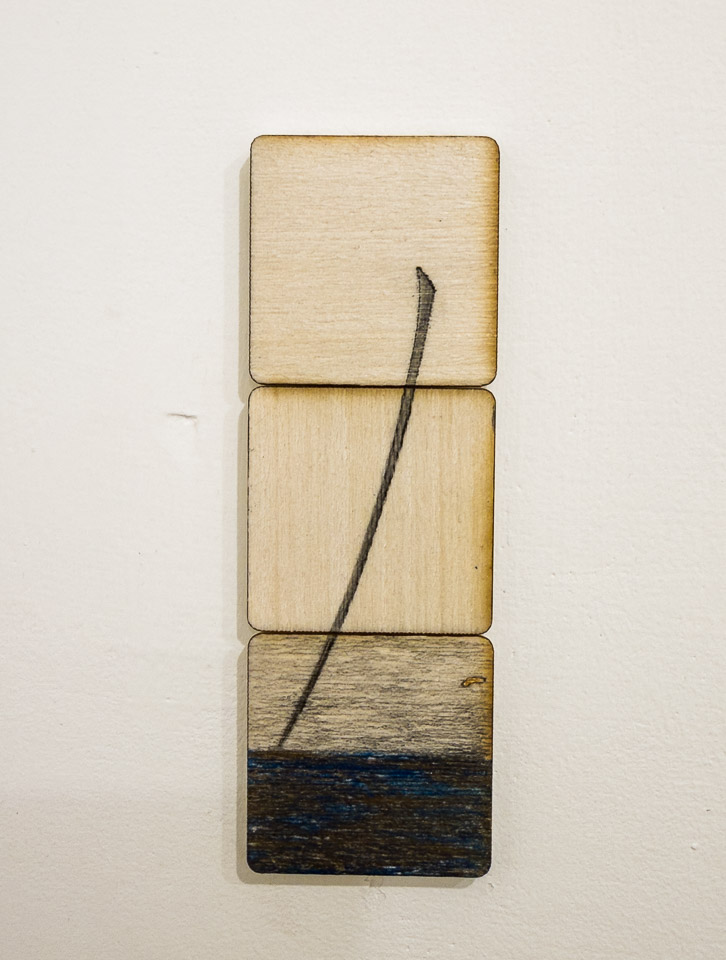
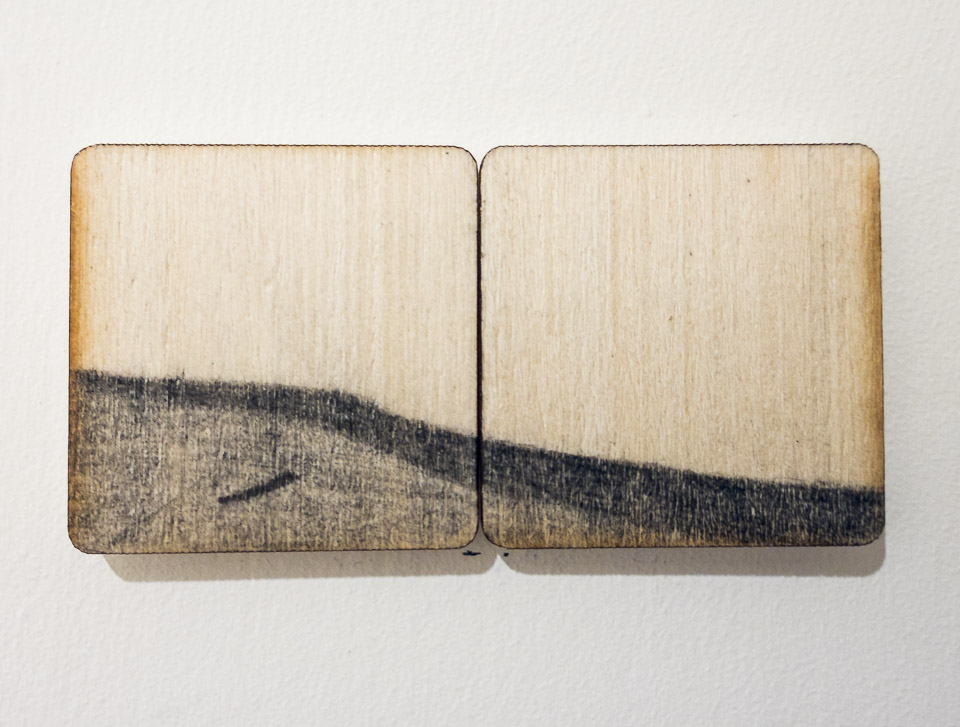
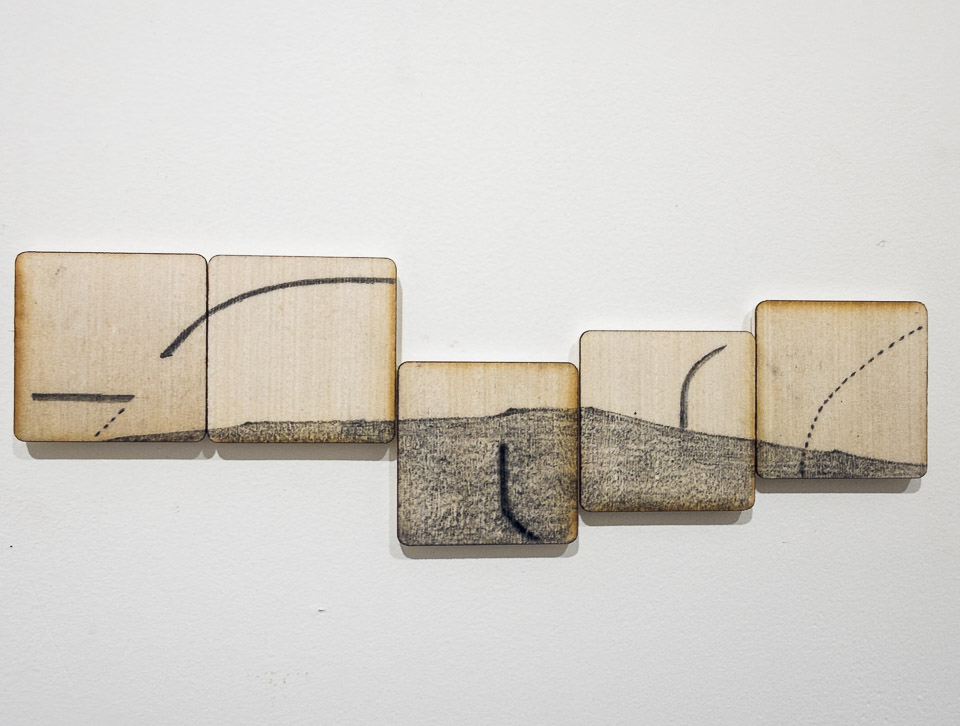
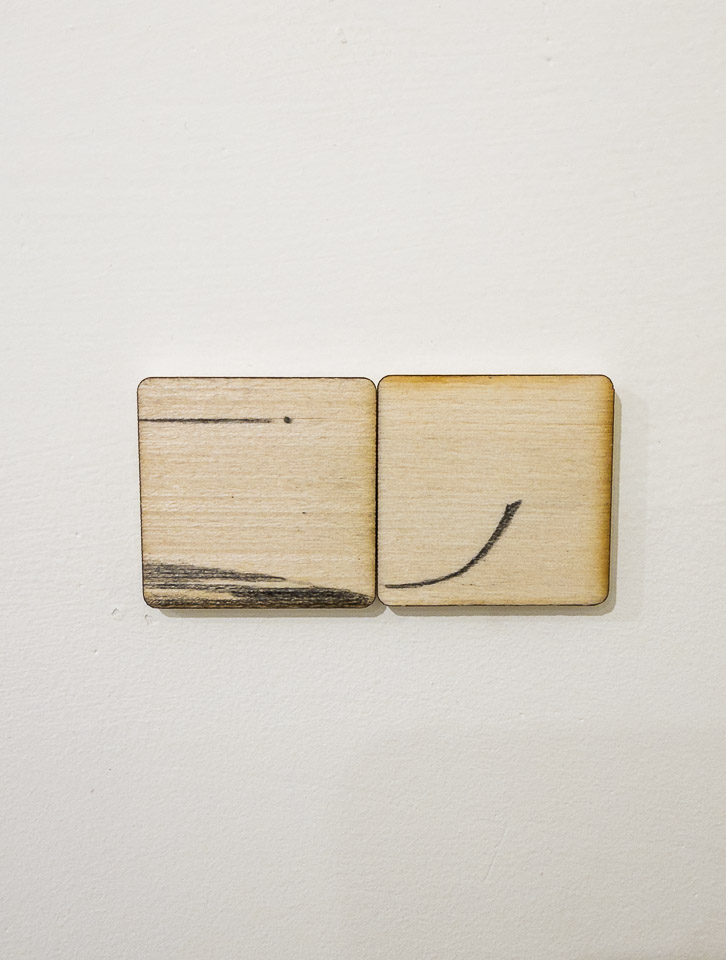
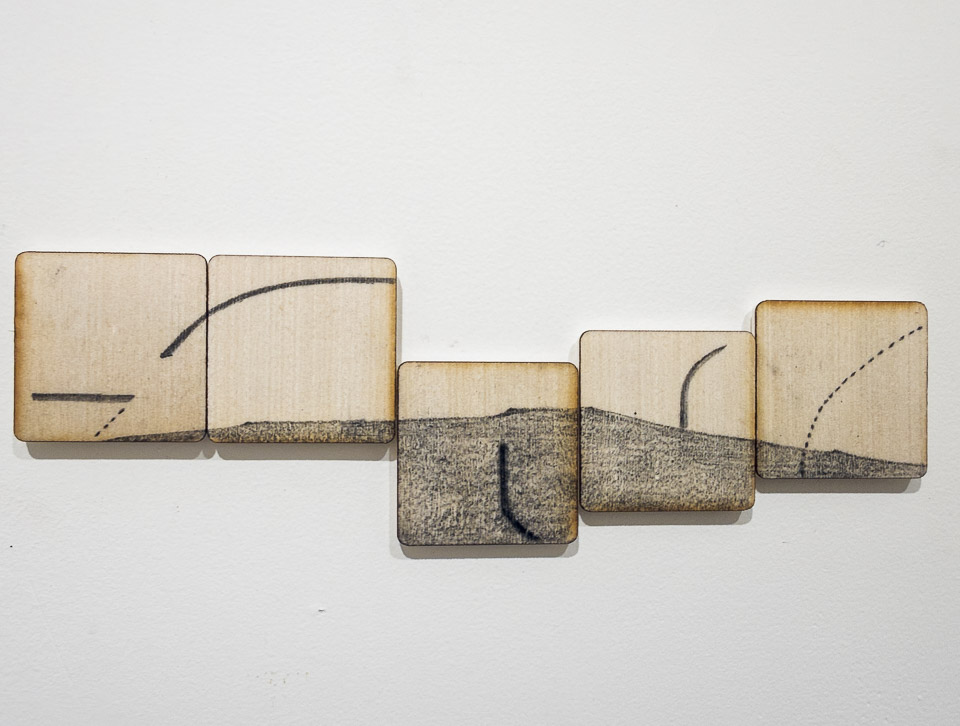
One senses patience, endurance, reflection and emotional movement inside these surfaces. The work does not perform struggle loudly. It carries experience quietly. That is what gives these fragments their sensitivity.
“Scale rather than being limiting opens vast possibilities inside me of silence, memory, movement and becoming.”
That statement reaches the centre of this body of work. Smallness here becomes expansive. The reduced scale opens emotional and conceptual possibilities rather than limiting them.
To me Fragments of Passage feels less like an experiment and more like a marker within Rubkirat’s evolving journey as an artist. A work created by someone willing to question her own practice and move beyond familiarity.
That willingness matters.
Without risk there is no evolution in art. No discovery. No expansion of language or thought.
Fragments of Passage embraces uncertainty fully. That is precisely where the strength of the work lies.
Text updated, used with permission from art dose.